
The Athens of the Andes — your complete guide to the UNESCO World Heritage city that locals call the most beautiful in Ecuador
Cuenca, Ecuador doesn’t announce itself loudly. It reveals itself slowly: through the turquoise domes rising above terracotta rooftops, the click of a weaver’s loom in a sun-washed workshop, the smell of hornado drifting from a market stall at 8 AM. Santa Ana de los Cuatro Ríos de Cuenca sits in a fertile valley in Ecuador’s southern Andes at roughly 2,560 metres (8,200 feet), and it remains one of South America’s most rewarding, least-overcrowded destinations in 2026.
This Cuenca Ecuador travel guide covers everything you need to plan a trip: the top attractions, the best neighborhoods to stay in, where to eat, day trips into the surrounding highlands, and practical tips that will make your visit smoother.

Top Attractions in Cuenca, Ecuador
From iconic blue domes to living Inca ruins, these are the places that define the Cuenca experience.
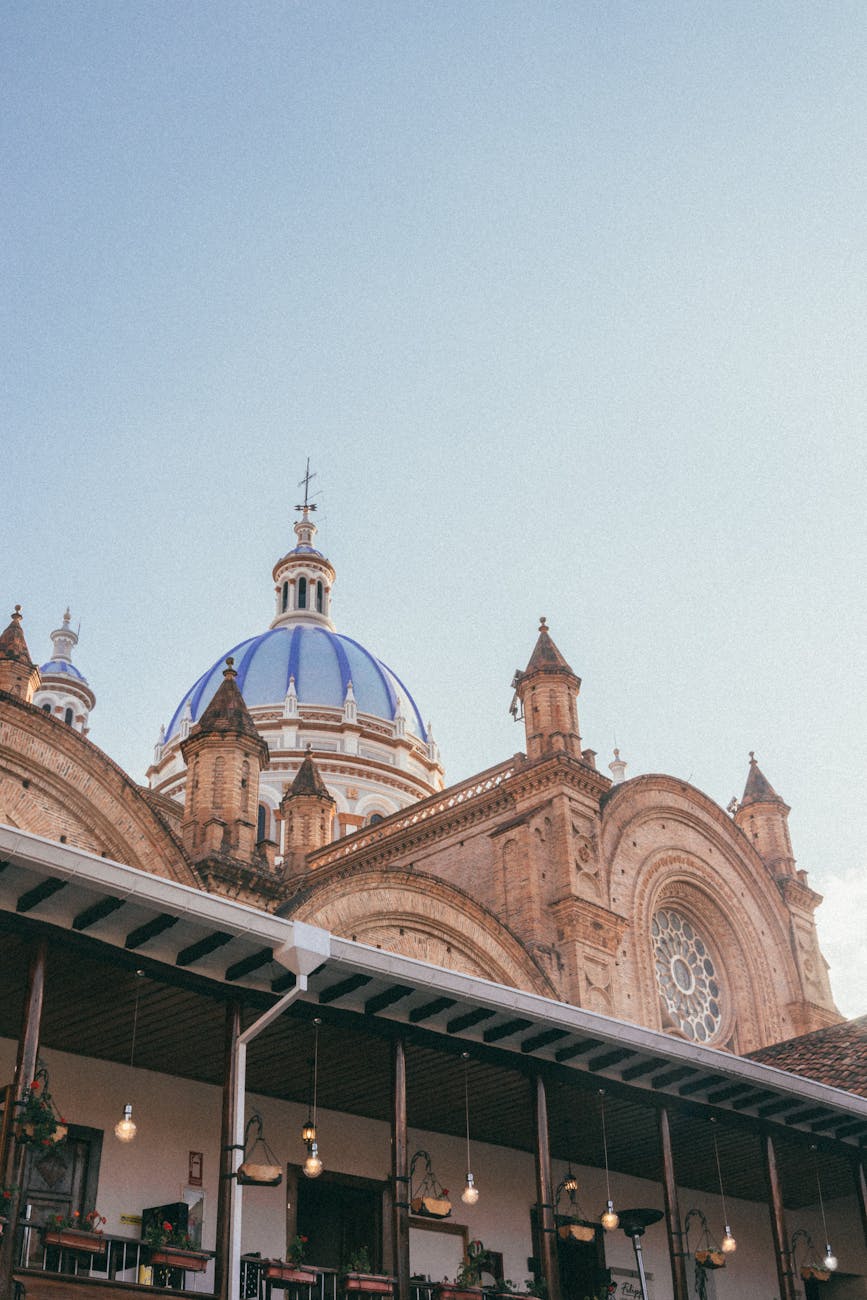
⛪ Catedral de la Inmaculada Concepción
Cuenca’s defining image — those sky-blue and grey domes towering over Parque Calderón. Construction began in 1885 and took nearly a century to complete. The interior features an ornate altar and magnificent stained glass. Climb the towers for panoramic views over the historic centre.
📍 Free entry · Parque Calderón
🏛️ Museo Pumapungo & Inca Ruins
Part archaeology museum, part living ruin, Pumapungo stands on the site of the ancient Inca city of Tumebamba. Three floors of ethnographic exhibits lead to outdoor terraces with a palace, aqueduct, and garden remains. Also home to a bird sanctuary. Arguably Cuenca’s single most rewarding attraction.
📍 Free · Calle Larga & Huayna Cápac
🏞️ El Cajas National Park
Only 30 km west of the city, El Cajas protects over 275 Andean lakes, cloud forest, and páramo grassland above 4,000 m. Highlights include Lake Toreadora, the Tres Cruces viewpoint, and excellent trout fishing. A must for any Cuenca Ecuador itinerary.
📍 ~$2 entrance · Half-day trip
🌊 Río Tomebamba & Calle Larga
The scenic river dividing Cuenca’s colonial core from its modern neighbourhoods. Walk the north bank from Parque Calderón to Pumapungo, stopping at cafes, craft galleries, and the Puente Roto. Calle Larga running alongside is Cuenca’s main bar and restaurant strip.
📍 Free · Central historic area
🔭 Mirador de Turi
A short taxi ride south brings you to Cuenca’s best panoramic viewpoint. The hilltop church frames a sweeping view of the city’s cathedral domes and encircling Andes. Especially photogenic at dusk.
📍 ~$3 taxi · South of centre
🥩 Mercado 10 de Agosto
Cuenca’s most atmospheric food market, daily near Parque Calderón. Come hungry for hornados, ceviche, and set lunches under $3. On Tuesdays and Fridays, traditional limpias healers offer ceremonial soul-cleansing rituals.
📍 Daily · Near Parque Calderón
When to Visit Cuenca, Ecuador
Cuenca enjoys a mild, temperate climate thanks to its Andean elevation — daytime temperatures hover between 15°C and 22°C year-round, with cool nights dipping to 8°C or lower.
Dry season (June to December) is ideal for outdoor activities and hiking in El Cajas National Park. Wet season (January to May) brings thinner crowds, lower hotel prices, and a rich festivals calendar — Carnival in February and Easter processions are highlights.
One year-round consideration: altitude acclimatisation. At 8,200 feet (2,560 m), rest on arrival, hydrate well, and avoid alcohol for your first 24 hours. Good news: tap water in Cuenca is safe to drink.
3-Day Cuenca Ecuador Itinerary
Día 1 — Colonial Heart & the River Walk
Start at Parque Calderón and the New Cathedral’s blue domes. Walk south to the Río Tomebamba and follow the riverwalk east to Museo Pumapungo — allow 2 hours. End with craft shopping on Calle Larga and dinner at a riverside restaurant.
Día 2 — El Cajas National Park Day Trip
Take an early bus or organized tour (~7 AM) to El Cajas National Park. Hike around Lake Toreadora, visit the Tres Cruces viewpoint at 4,000 m, and spot páramo wildlife. Return mid-afternoon. End the day at Mirador de Turi for sunset views.
Día 3 — Markets, Hats & Hidden Gems
Hit the Mercado 10 de Agosto early for a traditional breakfast. Visit a Panama hat workshop — Homero Ortega is the most famous. Explore San Sebastián for colonial ambience and coffee shops. Optional: day trip to Ingapirca Ruins (~2 hours north).
Best Neighborhoods in Cuenca
🏛️ Centro Histórico — Walkable to everything, atmospheric colonial architecture. Best for first-time visitors wanting proximity to sights.
🌿 El Barranco — Riverfront area, quieter nights, gorgeous views. Boutique cafés and galleries. Ideal for longer stays.
🎓 San Sebastián — Residential, lower prices. Favourite with expats and students. Excellent independent coffee shops.
🛍️ Parque Calderón Area — Right on the main square, vibrant and social. Best for short stays.
🏠 La Chola — Off the tourist trail, very local, budget-friendly. Authentic daily life. Taxis cheap and plentiful.
Food & Drink in Cuenca
The staple of daily life is the almuerzo — a set lunch of soup, main, juice, and dessert for $2.50–$4. Beyond that, these are the dishes not to miss:
Hornado ($) — Slow-roasted pork with cumin and garlic, served with mote and llapingachos. The definitive Cuencan market meal.
Caldo de Mote ($) — A hearty hominy corn soup, often eaten for breakfast in Cuenca’s markets — warming and deeply local.
Trucha de Cajas ($$) — Rainbow trout from the glacial lakes of El Cajas. Pan-fried or grilled, best ordered along Calle Larga.
Pan de Cuenca ($) — Sweet, anise-scented bread — Cuenca’s most beloved bakery staple. Pair with fresh Ecuadorian coffee.
Canelazo ($$) — A warm spiced cane spirit drink, perfect for cool highland evenings.
New Andean Cuisine ($$$) — Restaurants along Calle Larga reimagining traditional ingredients like quinoa and mortiño berries. $12–25 for a full experience.
Cuenca Travel Tips for 2026
✈️ Getting there: Fly into Mariscal Lamar Airport (CUE), or take the 3.5-hour bus from Guayaquil through the scenic El Cajas mountain road. From Quito: overnight bus (~8–10 h) or 45-min flight.
🚶 Getting around: The historic centre is very walkable. Taxis are metered, safe, and rarely over $3. The city tram (tranvía) also runs through the centre.
💵 Money: Ecuador uses the US dollar. ATMs are widespread. Most hotels and restaurants accept cards; markets are cash-only.
🏥 Altitude: At 2,560 m, soroche (altitude sickness) is real. Rest on arrival, drink extra water, and avoid alcohol for 24 hours.
🛡️ Safety: One of Ecuador’s safest cities. Don’t display valuables openly, be aware in crowded markets, and use taxis at night.
💧 Water: Tap water in Cuenca is safe to drink — one of the few cities in Ecuador where this is the case.
🌐 Connectivity: WiFi is reliable throughout. Local SIM cards from Claro or Movistar give excellent 4G coverage for $5–10.
🗣️ Language: Spanish is primary. English is spoken at most hotels and tourist restaurants.
Best Day Trips from Cuenca
Ingapirca Ruins — About 2 hours north, Ecuador’s largest Inca archaeological site, with a solar temple and ceremonial platforms. Tours depart from Cuenca’s bus terminal daily.
El Cajas National Park — Only 30 km west, this high-altitude páramo wilderness with 275+ lakes is arguably the most dramatic landscape in the Ecuadorian Andes. Half-day and full-day tours run year-round.
Chordeleg & Gualaceo — Craft villages 45 minutes east, famous for silverwork, ceramics, and ikat textiles. Sunday market days are best. Combine both in a half-day trip.
Baños de Cuenca — Natural thermal spring pools just 8 km southwest. A perfect afternoon escape after a hiking day in El Cajas.
Cuenca Ecuador Travel FAQ
Is Cuenca, Ecuador worth visiting?
Absolutely. Cuenca is widely considered Ecuador’s most beautiful city and one of South America’s finest colonial destinations. Its UNESCO World Heritage historic centre, proximity to El Cajas, vibrant craft culture, and affordable costs make it exceptional value for all types of travellers.
How many days do you need in Cuenca?
Three to four days is the sweet spot. Two days cover the main city attractions, one day for El Cajas or Ingapirca, and a final day for markets and craft workshops. The city rewards a leisurely pace — many expats choose to stay weeks or months.
What is the best time of year to visit Cuenca Ecuador?
The dry season (June to December) offers the best weather for outdoor activities. However, Cuenca is a year-round destination — the wet season (January to May) brings festivals, lower prices, and lush landscapes.
Is Cuenca Ecuador safe for tourists?
Yes. Cuenca is consistently rated one of Ecuador’s safest cities. Apply standard precautions: don’t display valuables openly, be aware in crowded markets, and use taxis at night. The city’s large expat community is a testament to its safety.
How do I get from Guayaquil to Cuenca?
Several bus companies run comfortable services from Guayaquil’s terminal to Cuenca in approximately 3.5–4 hours, crossing through El Cajas National Park with spectacular mountain scenery. Flights between Guayaquil (GYE) and Cuenca (CUE) take 45 minutes — check LATAM and Avianca.
What is Cuenca famous for?
Cuenca is famous for its exceptionally well-preserved colonial architecture (UNESCO World Heritage since 1999), for being the birthplace of Ecuador’s Panama hat industry, for its extraordinary cultural output, and as a top destination for expat retirees seeking high quality of life in a beautiful Andean setting.
Ready to Visit Cuenca, Ecuador?
Cuenca remains one of South America’s great surprises in 2026 — a city that rewards slow travel, rewards curiosity, and rewards the traveller willing to walk a few extra blocks off the main plaza. Its UNESCO-listed streets, thriving artisan culture, extraordinary natural surroundings, and deeply human scale make it a destination that consistently outperforms expectations.
Whether your ideal Cuenca day involves climbing cathedral towers at dawn, hiking lakeside trails at 4,000 metres, watching a Panama hat take shape under a master weaver’s hands, or simply sitting at a riverside café with a cup of Ecuadorian single-origin coffee — this highland city has room for all of it.


