
Everything you need to know to plan, book, and experience one of the world’s great wonders — without the confusion, the scams, or the wasted days
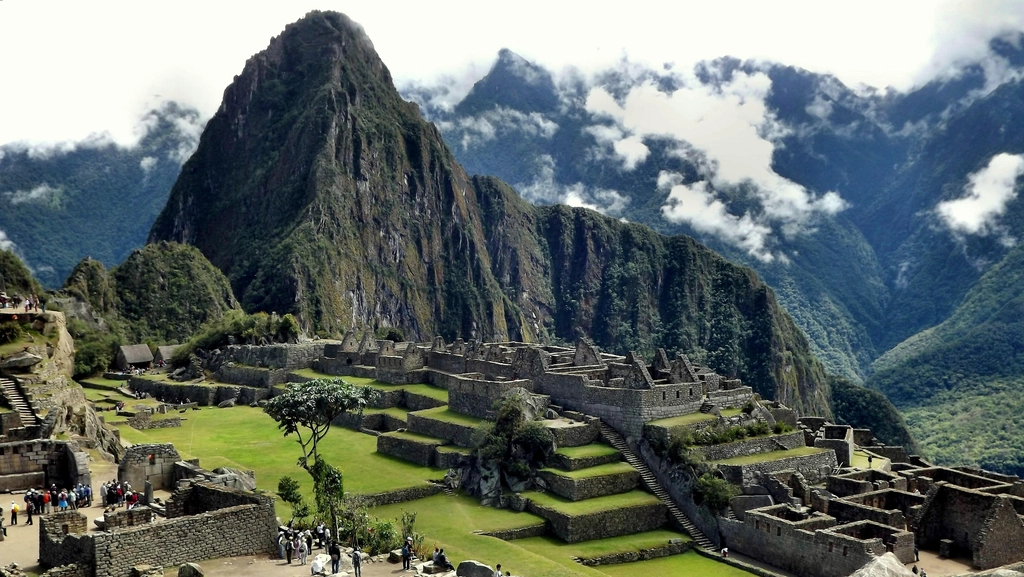
Machu Picchu is one of those destinations that exists in a category of its own. No photograph prepares you for the moment the clouds part and the full citadel reveals itself across the valley — the precision of the stonework, the improbable verticality of the surrounding peaks, the silence that somehow persists even with hundreds of other visitors present.
This step-by-step guide to visiting Machu Picchu in 2026 covers everything: how to get there, how to book tickets before they sell out, which circuit to choose, where to stay in Aguas Calientes, whether the Inca Trail is worth it, and the insider details that make the difference between a good visit and an unforgettable one.

Quick Facts: Machu Picchu

Why Machu Picchu Requires More Planning
Peru’s Ministry of Culture has implemented strict visitor controls at Machu Picchu over the past several years, and 2026 brings the most structured system yet. Here’s what changed and why it matters for your visit:
Daily visitor limits are strictly enforced. The site allows a maximum of 4,500 visitors per day, split across morning and afternoon sessions. During peak season (June–August and December–January), tickets sell out 4–8 weeks in advance.
Timed entry slots are mandatory. You must enter during your booked time window. Arriving early or late can mean denied entry with no refund.
All visitors must enter with a licensed guide. This became mandatory in 2019 and remains in effect in 2026. You can book a guide independently or as part of a tour.
Four circuits control where you walk. You no longer roam freely — you follow one of four designated circuits depending on your ticket type. Choosing the right circuit for what you want to see is essential.
Tickets cannot be purchased at the gate. The only official source is the Peruvian government’s ticketing portal. Everything else is a reseller (legal but more expensive) or a scam.
Step 1: Choose When to Visit Machu Picchu
Getting the timing right is the single most impactful decision you’ll make.
☀️ Dry Season (May to October) — Peak Season
The dry season is when Machu Picchu is at its most photogenic — clear skies, crisp mountain air, and the iconic cloud-wreathed peaks visible from the citadel. June, July, and August are the busiest months on Earth for this site. Tickets sell out fastest, crowds are largest, and Aguas Calientes hotel prices peak.
Best for: First-time visitors who prioritise clear views and good weather for photography. Book tickets 6–8 weeks in advance minimum.
July 28: Peruvian Independence Day — the site is at its absolute maximum capacity. Avoid unless you book months ahead.

🌧️ Wet Season (November to April) — Low Season
The wet season brings daily afternoon and evening rain, occasional morning mist, and dramatically thinner crowds. January and February are the wettest months — the Inca Trail closes entirely in February for maintenance.
What the wet season offers that dry season doesn’t: a Machu Picchu that is genuinely green, often wreathed in dramatic low clouds that make the citadel look even more otherworldly, and a visitor experience that is significantly less crowded.
Best for: Budget travellers, photographers who love atmospheric mist, and anyone who can’t get dry season tickets. Book 2–3 weeks ahead in low season.
🌤️ Shoulder Season (April–May and September–October) — The Sweet Spot
The best balance of good weather, manageable crowds, and ticket availability. Late April and early May are particularly special — the landscape is still green from the wet season, skies are clearing, and the site is not yet at peak capacity.
Best for: Most travellers. Book 3–5 weeks ahead.
Step 2: Decide How to Get to Machu Picchu
There is no road to Machu Picchu that private vehicles can use. Every visitor arrives the same way: by train to the town of Aguas Calientes (also called Machu Picchu Pueblo), then by bus up the switchback road to the citadel entrance. The only alternative is walking — the Inca Trail or alternative treks.
Option A: The Classic Route (Cusco → Train → Bus)
From Cusco: Take a train from either Poroy station (20 minutes from Cusco city centre by taxi) or Ollantaytambo station (1.5 hours from Cusco — more trains, better option for most visitors) to Aguas Calientes.
Journey time: Ollantaytambo to Aguas Calientes takes approximately 1.5–2 hours. The route follows the Urubamba River through increasingly dramatic canyon scenery — one of the most beautiful train journeys in South America.
Train prices:
- Vistadome: $35–65 one way
- Hiram Bingham (luxury, includes meals and guide): $250–350 one way
- Expedition (budget option): $25–45 one way
Book trains in advance.
From Aguas Calientes: Buses run from the main square up the 8 km switchback road to the citadel entrance. Journey time: 20–30 minutes.
Option B: The Inca Trail
The world’s most famous trek — 4 days of hiking through cloud forest, Inca ruins, and high-altitude mountain passes, culminating in arrival at Machu Picchu through the Sun Gate (Inti Punku) at dawn on the final morning.
The details:
- Distance: 43 km (classic route) or 12 km (short Inca Trail, 2 days)
- Maximum elevation: Dead Woman’s Pass at 4,215 m
- Permit quota: 500 people per day total (including guides and porters), meaning only ~200 trekkers
- Permits sell out in January for the entire year — book in October/November for peak season dates
Is the Inca Trail worth it? For fit, experienced hikers who book far enough in advance — yes, unreservedly. Arriving at Machu Picchu through the Sun Gate at sunrise, after four days of trekking, is an experience that makes the site feel genuinely earned. For everyone else, the alternative routes below offer outstanding experiences at a fraction of the cost and logistics.
Option C: Alternative Treks
Salkantay Trek (5 days) — The most popular Inca Trail alternative. Crosses the Salkantay Pass at 4,630 m, passes through cloud forest and subtropical jungle, and ends in Aguas Calientes. More dramatic mountain scenery than the Inca Trail.
Lares Trek (4 days) — Passes through remote Andean communities and high-altitude lagoons. Less about ruins, more about indigenous culture and landscape.
Jungle Route (3–4 days) — Involves cycling downhill from Abra Malaga pass, white-water rafting, zip-lining, and hiking. The most active option and among the cheapest.
Step 3: Book Your Machu Picchu Tickets
This is where most visitors make mistakes. The official ticket system is confusing, sells out fast, and has no grace period on errors.
The Official Ticket Portal
URL: machupicchu.gob.pe
This is the only official government source. All other sites are third-party resellers — legal, but charging a markup of $10–30 per ticket. If you’re comfortable navigating a Spanish-language government website, book directly and save money.
Step-by-step booking process:
Go to machupicchu.gob.pe and click “Comprar Entradas.” Select your entry date and time slot (morning or afternoon). Choose your circuit. Enter passport details for every visitor — names must match exactly as they appear in your passport. Pay by credit card. Download and print your ticket (or save to phone — QR codes are accepted at the gate).
Important: Foreign nationals pay a higher rate than Peruvian citizens. Students with valid ISIC cards get a discount. Children under 8 enter free.
The Four Circuits Explained
Choosing the wrong circuit is one of the most common mistakes. Here’s what each one covers:
Circuit 1 (Lower Route + Hut of the Guardian) — The classic postcard view of Machu Picchu. Starts at the upper entrance and descends through the main agricultural terraces to the iconic viewpoint where every famous photo is taken. Best for: first-time visitors who want the essential Machu Picchu experience and the best overall photography. Duration: 2.5–3 hours.
Circuit 2 (Upper Route) — Explores the main urban sector of the citadel in more depth — the Temple of the Sun, the Royal Tomb, the Intihuatana Stone, the Sacred Plaza. Less about the panoramic view, more about the architecture and archaeology. Best for: history enthusiasts and those who want to understand what they’re looking at. Duration: 2.5–3 hours.
Circuit 3 (Lower Route + Inca Bridge) — Adds the spectacular Inca Bridge — a retractable log bridge built into a sheer cliff face — to the lower circuit route. Best for: visitors wanting something beyond the main citadel. Duration: 3–3.5 hours.
Circuit 4 (Upper + Lower Combined) — The most comprehensive visit. Covers both the panoramic viewpoints and the main archaeological sector in a single extended visit. Best for: visitors with a full day who want to see everything. Duration: 4–5 hours. This ticket is the most expensive and the first to sell out.
Add-On Tickets: Huayna Picchu & Machu Picchu Mountain
These are purchased as add-ons to your main circuit ticket and have their own separate quotas — they sell out even faster than the main tickets.
Huayna Picchu Mountain — The dramatic vertical peak visible in the background of the classic Machu Picchu photograph. The hike is steep, vertiginous, and exhilarating — chains and cables assist on the most exposed sections. At the top, the aerial view looking down over the citadel is extraordinary. Only 400 people per day. Two entry windows: 7:00–8:00 AM and 10:00–11:00 AM. Duration: 1.5–2 hours round trip. Book this 4–8 weeks in advance in peak season.
Machu Picchu Mountain — Higher than Huayna Picchu (3,082 m) but less vertiginous. Fewer visitors, equally stunning views from a different angle. Entry: 7:00 AM–8:00 AM. Only 800 people per day. Slightly easier to book than Huayna Picchu.
Sun Gate (Inti Punku) — The viewpoint at the original Inca entrance to Machu Picchu, reached via the Inca Trail. A 1.5-hour hike from the citadel. No additional ticket required with circuit 3 or 4 — just time and energy.
Step 4: Where to Stay — Aguas Calientes
Aguas Calientes (officially Machu Picchu Pueblo) is the only town with direct access to the site. It sits in a narrow valley at 2,040 m, surrounded by cloud forest and bisected by the Urubamba River. It is not a beautiful town — it exists entirely to serve the citadel above it — but your hotel choice here significantly impacts your Machu Picchu experience.
The strategic question: Do you stay one night or two?
One night is the minimum. You arrive in the afternoon, check in, have dinner, sleep, catch the first bus up at 5:30 AM, enter at 6:00 AM with the sunrise light, visit the citadel for 3–4 hours, come back down, eat lunch, and take the afternoon train back to Cusco. This works and is what most visitors do.
Two nights is significantly better. You get two sessions at the site — morning of day one and early morning of day two — which lets you experience different light, different weather, and less fatigue. You can do Huayna Picchu on one day and Circuit 1 or 2 on the other. The cost difference is modest.
Step 5: What to Expect on the Day
The Morning Strategy
First bus leaves at 5:30 AM. The queue starts forming at 4:30–5:00 AM. If you have an early entry slot (6:00–7:00 AM), join this queue. Arrive at the bus stop no later than 5:00 AM with your bus ticket already purchased.
At the gate: Have your Machu Picchu ticket (printed or on phone), your passport (must match the name on the ticket), and your guide confirmation. The entrance process can take 15–25 minutes in peak season — factor this into your timing.
Your guide will meet you either at the gate or at a designated meeting point. If you booked independently, confirm the exact meeting point the night before. If you booked through a tour operator, they handle this.
First 30 minutes: Walk directly to the Guardian’s Hut viewpoint. This is where the iconic photo is taken. The light is best in the first hour of the morning, and the crowds are smallest. Take your time here.
What to Bring
Essential:
- Printed or digital ticket (QR code) and passport
- Waterproof layer — weather changes rapidly at altitude
- Sun protection — the equatorial sun at 2,430 m is intense
- Comfortable, grippy walking shoes or hiking boots (no flip-flops — the stone steps are steep and uneven)
- Water bottle — drinking water is not available inside the site
- Snacks — no food is allowed inside the site, but you’ll need energy
Leave at the hotel:
- Large backpacks (over 40 litres are not permitted)
- Tripods (not permitted without a special media permit)
- Selfie sticks (banned)
- Drone (absolutely prohibited — $1,000+ fine)
- Plastic bags (prohibited in the site)
What to wear:
- Layers — you’ll start cold at dawn and warm up significantly by mid-morning
- Light, moisture-wicking clothing
- A hat for sun protection
- Light rain jacket that packs small
Inside the Site: What You’ll See
The citadel divides into two main sectors connected by a central plaza:
The Agricultural Sector — The sweeping terraces that cascade down the mountainside, originally used for growing crops at altitude. The Guardian’s Hut at the top of this sector gives the best overall view of the site and the valley below.
The Urban Sector — The residential, religious, and administrative buildings. Highlights include:
The Intihuatana Stone — a precisely carved granite ritual stone aligned with the movements of the sun. One of the best-preserved examples in the Andes.
The Temple of the Sun — built with extraordinary precision over a natural cave, with trapezoidal windows aligned with the winter solstice sunrise.
The Room of the Three Windows — a ceremonial space with three massive trapezoidal windows overlooking the Sacred Plaza. One of the most photographed interiors at the site.
The Temple of the Condor — a stone formation shaped like a condor in flight with its wings spread, incorporating a natural rock fissure as the bird’s body.
Llamas — free-roaming llamas graze throughout the agricultural terraces. They are unbothered by humans and make for extraordinary photographs. They also occasionally block the path with complete indifference.

Step 6: Getting to Cusco First
Machu Picchu is accessed via Cusco — Peru’s second city and the ancient capital of the Inca Empire. Most international visitors fly into Lima (LIM) and connect to Cusco (CUZ).
Lima to Cusco
By air: 1.5 hours · $60–150 · Multiple daily flights on LATAM, Sky Airline, and Avianca. This is what most visitors do.
By bus: 20–22 hours (overnight) · $30–80 · Cruz del Sur is the premium operator. A long journey but the scenery through the Andes is extraordinary if you’re not in a hurry.
Altitude Acclimatisation in Cusco
Cusco sits at 3,400 metres — significantly higher than Machu Picchu itself. You must spend at least 2 nights in Cusco before visiting Machu Picchu to acclimatise properly. Going straight from Lima at sea level to Cusco and then immediately up to 4,215 m on the Inca Trail is a recipe for serious altitude sickness.
Acclimatisation tips for Cusco:
- Rest on arrival day — don’t over-schedule the first 24 hours
- Drink coca tea (mate de coca) — it genuinely helps with altitude symptoms and is served everywhere
- Stay hydrated — aim for 3+ litres of water per day
- Avoid alcohol for the first 48 hours
- Eat light meals — your digestion slows at altitude
- Diamox (acetazolamide) — a prescription medication that significantly helps with acclimatisation. Consult your doctor before travelling.
What to Do in Cusco (2–3 Days Before Machu Picchu)
Cusco itself is one of South America’s finest cities and deserves 2–3 full days before or after Machu Picchu. Don’t treat it as a mere transit stop.
Plaza de Armas — the magnificent main square, one of the finest in the Americas, surrounded by Spanish colonial baroque architecture built directly over Inca foundations.
Sacsayhuamán — a massive Inca fortress immediately above the city with stones weighing up to 125 tonnes, fitted together without mortar with extraordinary precision. Free to visit on Sundays with local ID; entrance fee for foreigners.
Qorikancha (Temple of the Sun) — the most sacred Inca temple, now the foundation of the Santo Domingo convent. The surviving Inca stonework visible within the Spanish colonial building is extraordinary.
San Pedro Market — Cusco’s main covered market, selling fresh produce, traditional textiles, alpaca goods, street food, and extraordinarily strong fresh juice. A much more authentic experience than the tourist markets near the main plaza.
The Sacred Valley — a day trip from Cusco through the Urubamba River valley passing Pisac market, the Ollantaytambo fortress, and the salt flats of Maras. If you’re taking the train to Aguas Calientes from Ollantaytambo (recommended), combine
Step 7: Practical Tips for Machu Picchu 2026
Booking Timeline
8+ weeks before: Book Machu Picchu tickets (especially Huayna Picchu add-on) if visiting June–August or December–January.
6 weeks before: Book Inca Trail permits (or accept they’re sold out and choose an alternative trek).
4 weeks before: Book train tickets and Aguas Calientes hotel.
2 weeks before: Confirm guide, download tickets, check entry time.
Night before: Buy bus tickets at consettur.com or at the Aguas Calientes bus station. Queue for the bus no later than 5:00 AM.
Common Mistakes to Avoid
Buying tickets from unofficial sources. The official portal is machupicchu.gob.pe. Third-party resellers are legal but charge 20–40% more. Sellers on the street or via WhatsApp are scammers.
Not checking passport names match exactly. Your ticket is tied to your passport number and name. Discrepancies cause denied entry. Double-check before purchasing.
Underestimating the altitude. Machu Picchu is at 2,430 m — lower than Cusco, so most visitors feel fine. But the hike to Huayna Picchu or Machu Picchu Mountain gains significant elevation. If you’re not acclimatised, these hikes can be genuinely dangerous.
Arriving at the gate without a guide. Since 2019, entrance without a licensed guide is denied. Have your guide confirmed and their contact details saved before you travel.
Wearing inappropriate footwear. The stone steps are steep, uneven, and can be slippery in wet conditions. Flip-flops and flat-soled dress shoes are genuinely dangerous here.
Missing your entry window. If your ticket says 6:00 AM, you must enter between 6:00 and 6:30 AM. Arriving at 8:00 AM with a 6:00 AM ticket means denied entry with no refund.
Machu Picchu FAQ
Is Machu Picchu worth visiting in 2026?
Without question. Despite the increased regulations, the timed entry system, and the crowds during peak season, Machu Picchu remains one of the most extraordinary places on Earth. The planning effort required in 2026 is more significant than a decade ago, but the site itself has not diminished. Come prepared, come early, and the experience will exceed every expectation.
How far in advance do I need to book Machu Picchu tickets?
In peak season (June–August, December–January): 6–8 weeks minimum, ideally 10–12 weeks for Huayna Picchu add-on. In shoulder season (April–May, September–October): 3–5 weeks. In low season (November–March, excluding December–January): 1–3 weeks. Booking earlier is always better — there is no advantage to waiting.
Can I visit Machu Picchu without a tour?
Yes — you don’t need to book a full package tour. You can book your train, bus, hotel, and site ticket independently. You do, however, need a licensed guide at the site itself — solo independent entry without a guide has been prohibited since 2019. Independent guides can be booked through the official guide association in Aguas Calientes.
What is the best circuit at Machu Picchu?
For first-time visitors: Circuit 1 for the best views and the iconic Guardian’s Hut panorama. For those who want depth over breadth: Circuit 2 for the most important archaeological structures. For the most complete experience: Circuit 4, which covers both — book this one first as it sells out fastest.
Is Machu Picchu accessible for people with mobility issues?
Partially. The main terrace viewing area and some sections of the agricultural sector are accessible via a relatively flat path. However, the majority of the site involves steep stone steps with no handrails, and the mountain add-ons (Huayna Picchu, Machu Picchu Mountain) are not accessible. The citadel entrance has a wheelchair ramp and accessible toilets. Contact the official ticketing system in advance for current accessibility details.
What happened to the free entry on Sundays?
Free entry for Peruvian nationals on the first Sunday of the month continues in 2026, but this does not apply to foreign visitors. On these Sundays, the site is at its absolute maximum capacity — foreign visitors should avoid first Sundays in peak months.
Is the Inca Trail worth it compared to taking the train?
For fit hikers who can plan 10–12 months in advance: yes, the Inca Trail is a genuinely different and more powerful experience than arriving by train. You earn the arrival. For everyone else: arriving by train and bus is entirely satisfying, and the site is the same regardless of how you get there. Don’t feel that taking the train makes Machu Picchu a lesser experience — it doesn’t.
Machu Picchu at a Glance: The Essential Checklist
Before you leave home:
- Book Machu Picchu tickets at machupicchu.gob.pe
- Book Huayna Picchu or Machu Picchu Mountain add-on if desired
- Book train tickets at perurail.com or incarail.com
- Book Aguas Calientes hotel
- Book Cusco accommodation (minimum 2 nights for acclimatisation)
- Consult doctor about Diamox if altitude-sensitive
In Cusco:
- Rest for 24 hours on arrival
- Buy bus tickets at consettur.com or Aguas Calientes bus station on arrival
- Confirm guide meeting point and contact
The night before:
- Set alarm for 4:30 AM
- Charge phone, download tickets, check passport
- Prepare day pack with water, layers, snacks, sunscreen
On the day:
- Join bus queue by 5:00 AM
- Arrive at gate with ticket, passport, and guide contact
- Go directly to Guardian’s Hut for the sunrise view
- Pace yourself — the altitude and steep steps are more demanding than they look


