
Everything you need for the perfect Uyuni salt flat tour — from choosing the best season to booking your guide and surviving the altitude.
Standing in the middle of Salar de Uyuni on a clear November morning, with 10,000 square kilometres of white stretching to every horizon and a perfect mirror of the sky at your feet, is one of those rare travel moments that genuinely silences you. This salar de uyuni guide covers everything — from the best time to visit and how to choose a uyuni salt flat tour to altitude tips, packing lists, and full FAQ answers for your trip.

In this guide:
- What is Salar de Uyuni?
- Best Time to Visit Salar de Uyuni
- Uyuni Salt Flat Tours: Options & Prices
- How to Get to Salar de Uyuni
- Sample 3-Day Itinerary
- What to Pack
- Insider Tips & Practical Advice
- Frequently Asked Questions
What is Salar de Uyuni?
Salar de Uyuni is the world’s largest salt flat, spread across 10,582 km² in the Potosí Department of southwestern Bolivia at 3,656 metres above sea level. It formed roughly 30,000 years ago when a series of prehistoric lakes — most notably Lago Minchin and Lago Tauca — evaporated, leaving behind an immense crust of sodium chloride that in some places runs 10 metres deep.
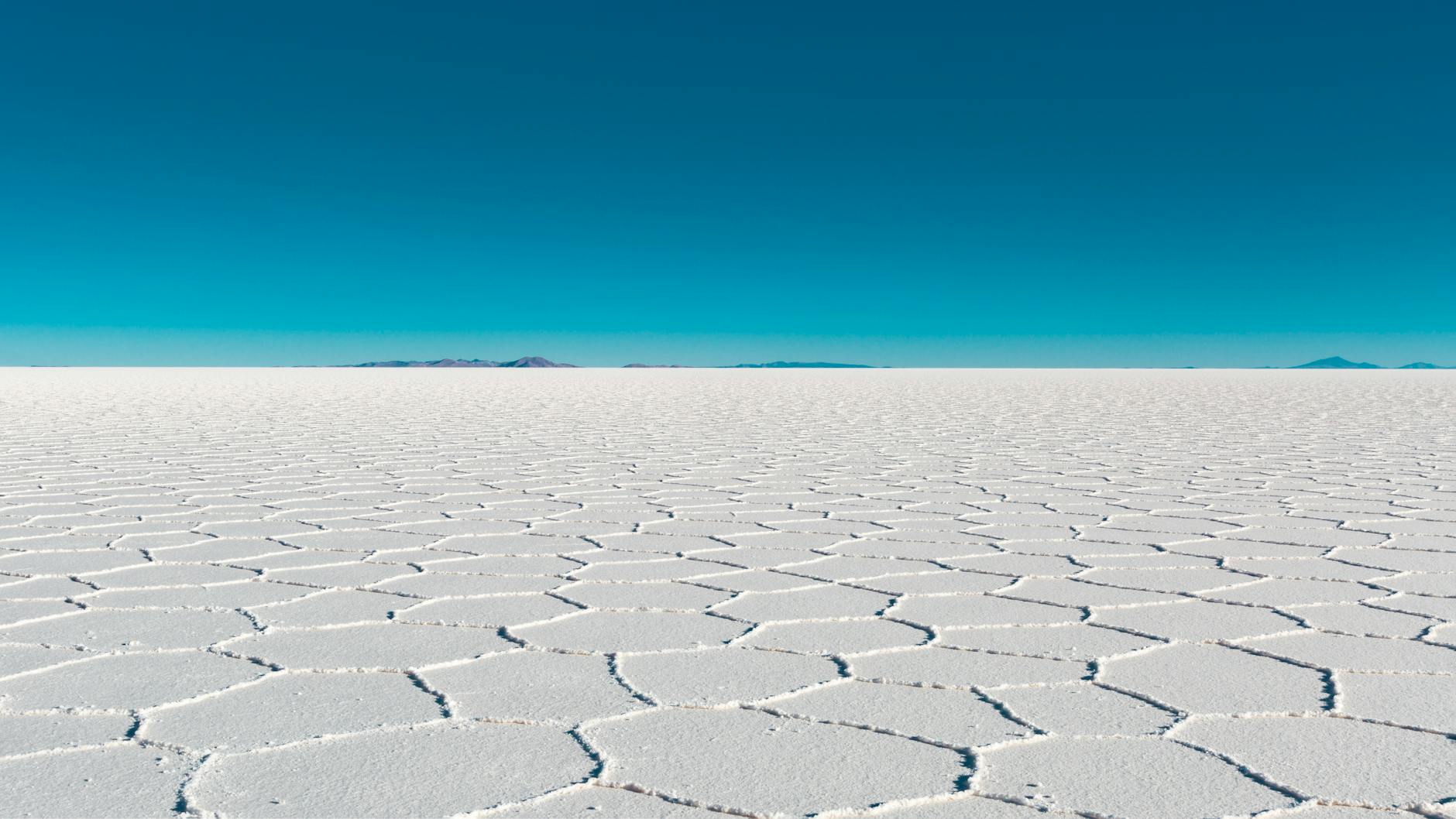
Beyond its staggering scale, the salt flat contains an estimated 50–70% of the world’s known lithium reserves, making it one of the most geopolitically significant landscapes on the planet. For travellers, however, the appeal is purely visual: depending on the season, it transforms from a blinding white hexagonal grid to an infinite, sky-reflecting mirror that erases the horizon entirely.

At a Glance: Key Geographic Facts
Essential numbers every visitor should know before arriving at the world’s highest and largest salt flat.

Best Time to Visit Salar de Uyuni
There is no universally “best” time to visit Salar de Uyuni — the experience differs dramatically between the two seasons, and which you prefer depends entirely on what you want to see.
Wet Season (November – April): The Mirror Effect
The wet season transforms the salt flat into the famous mirror. A thin layer of rainwater — just a few centimetres deep — sits on the perfectly flat crust and creates a flawless reflection of the sky, clouds, and mountains. Sunrise and sunset during this period produce some of the most photographed landscapes on Earth. January and February are peak wet months; November and December offer partial flooding with slightly better road conditions.
Pro Tip: Mirror Season Timing Book your uyuni salt flat tour for November or early December for the best chance of mirror conditions without the worst road closures. By February, some sections become inaccessible even in 4WD vehicles.

Dry Season (May – October): White Desert & Stars
The dry season reveals the salt flat in its classic white form: a vast, cracked, hexagonal crust that stretches to infinity. This is the best time for perspective photography (those famous dinosaur/bottle shots), stargazing, and multi-day tours into the Siloli Desert and Eduardo Avaroa National Reserve. Days are sunny and cold; nights drop well below freezing. June and July are peak tourist months.
| Season | Months | Experience | Crowds | Temperature |
|---|---|---|---|---|
| Wet | Nov – Apr | Mirror effect, dramatic skies | Moderate | 5–21°C (day) |
| Dry | May – Oct | White crust, stargazing, hexagons | High | −20 to 14°C (night/day) |
| Sweet Spot | Nov & Apr | Partial mirror + accessible roads | Low–Moderate | Mild |
Altitude Warning Salar de Uyuni sits at 3,656 m. Spend at least 2 nights in La Paz (3,600 m) or Sucre (2,800 m) before arriving to acclimatise. Symptoms of altitude sickness include headache, nausea, and shortness of breath. Consult your doctor about acetazolamide (Diamox) before travelling.
How to Get to Salar de Uyuni
The gateway is the town of Uyuni (population ~10,000), located 360 km southwest of Potosí and 510 km south of La Paz. There are three main ways to arrive:

Sample 3-Day Uyuni Itinerary
The classic 3-day southwest Bolivia circuit pairs the salar with the surrounding high-altitude desert for a comprehensive experience. All times are approximate and weather-dependent.

What to Pack for Salar de Uyuni
The combination of extreme UV radiation (you’re above 3,600 m with no shade and a reflective white surface below), freezing nights, and unpredictable weather makes packing thoughtfully non-negotiable.

Insider Tips & Practical Advice
Photography: Getting the Mirror Shot
The famous reflection works best when the water layer is 2–5 cm deep and the surface is calm — usually in the early morning before wind picks up. Bring a wide-angle lens and a small stool or tripod for ground-level shots. Shoot at golden hour (6–7 AM and 5–6 PM) for the most dramatic colours. Wet-season mornings after a clear night produce the sharpest reflections.

Perspective Photography
In the dry season, use the featureless white crust for forced-perspective photos. Bring props — toy dinosaurs, miniature figures, Pringles cans. The best shots are taken with the camera close to the ground and the subject far from the camera; your guide will know the drill.
Avoid Altitude Sickness
Acclimatise in La Paz or Sucre for at least 2 nights before arriving. Stay hydrated, avoid alcohol your first night, and eat light. Many pharmacies in Uyuni sell Diamox and ibuprofen. Mate de coca (coca leaf tea) is widely available and genuinely helps with symptoms.
Money & Connectivity
The town of Uyuni has ATMs but they frequently run out of cash on weekends. Withdraw sufficient Bolivianos in La Paz or Potosí. On the salt flat and during multi-day tours, there is no mobile coverage or internet. Download offline maps (maps.me or Google Maps offline) before you depart.
Book in High Season June, July, and early August are the busiest months. Popular salt hotels on the flat book up weeks in advance. If you’re travelling in peak dry season, secure your tour operator and accommodation at least 2 weeks ahead.
Frequently Asked Questions
These are the questions most commonly asked about visiting Salar de Uyuni, optimised as direct answers for voice search and AI engines.
What is the best time to visit Salar de Uyuni?
The best time to visit Salar de Uyuni depends on what you want to experience. November to April (wet season) creates the iconic mirror effect when thin layers of rainwater cover the flat. May to October (dry season) gives you pristine white salt crust, better stargazing, and more reliable road access for multi-day tours. The sweet spots are November and April, when partial flooding offers mirror chances without severe access issues.
How much does a Uyuni salt flat tour cost?
A standard 1-day uyuni salt flat tour costs $15–$40 USD per person. Overnight 2-day tours run $50–$90 USD. The most popular 3-day southwest circuit including Eduardo Avaroa Reserve costs $80–$150 USD per person. Prices vary by season and tour quality; budget operators are cheaper but may use older vehicles and less experienced guides. How do I get to Salar de Uyuni from La Paz? +
From La Paz you can reach Uyuni by overnight bus (10–12 hours, ~$10 USD) departing from Terminal Terrestre, by flight via Boliviana de Aviación (about 1 hour, from ~$80 USD one-way), or by train from Oruro (~7 hours on the Wara Wara del Sur). The bus is cheapest; flying is fastest; the train is the most scenic option.
Do you need a guide to visit Salar de Uyuni?
Yes — visiting with a licensed guide is strongly recommended and effectively required for the multi-day tours. Salar de Uyuni covers 10,582 km² with no landmarks or roads; navigation without a guide is dangerous, especially in wet season when the water hides cracks and sinkholes. Guides also handle permits for Eduardo Avaroa National Reserve and know the best photography spots and timing.
Is Salar de Uyuni safe to visit?
Salar de Uyuni is generally very safe for tourists. The main risks are altitude sickness (mitigated by acclimatising in La Paz first), sunburn (the reflective surface dramatically intensifies UV), and road conditions in the wet season (some routes flood and become impassable). Crime targeting tourists is rare. Always travel with a reputable, licensed operator and ensure your vehicle has emergency supplies.
What should I pack for Salar de Uyuni?
Essential packing for Salar de Uyuni includes: SPF 50+ sunscreen and UV-protection sunglasses (UV intensity is extreme at altitude on a reflective surface), thermal layers and a down jacket (temperatures drop below −20°C on dry-season nights), waterproof boots (mandatory for wet-season mirror conditions), cash in Bolivianos (no ATMs on the flat), altitude medication, a portable battery pack, and at least 2 litres of water per person per day.


